The Job Description That Should Have Taken 5 Minutes
Stop wasting time starting job descriptions from scratch. See how AI can help recruiters create clear, structured role descriptions faster while keeping human judgment at the centre of hiring.
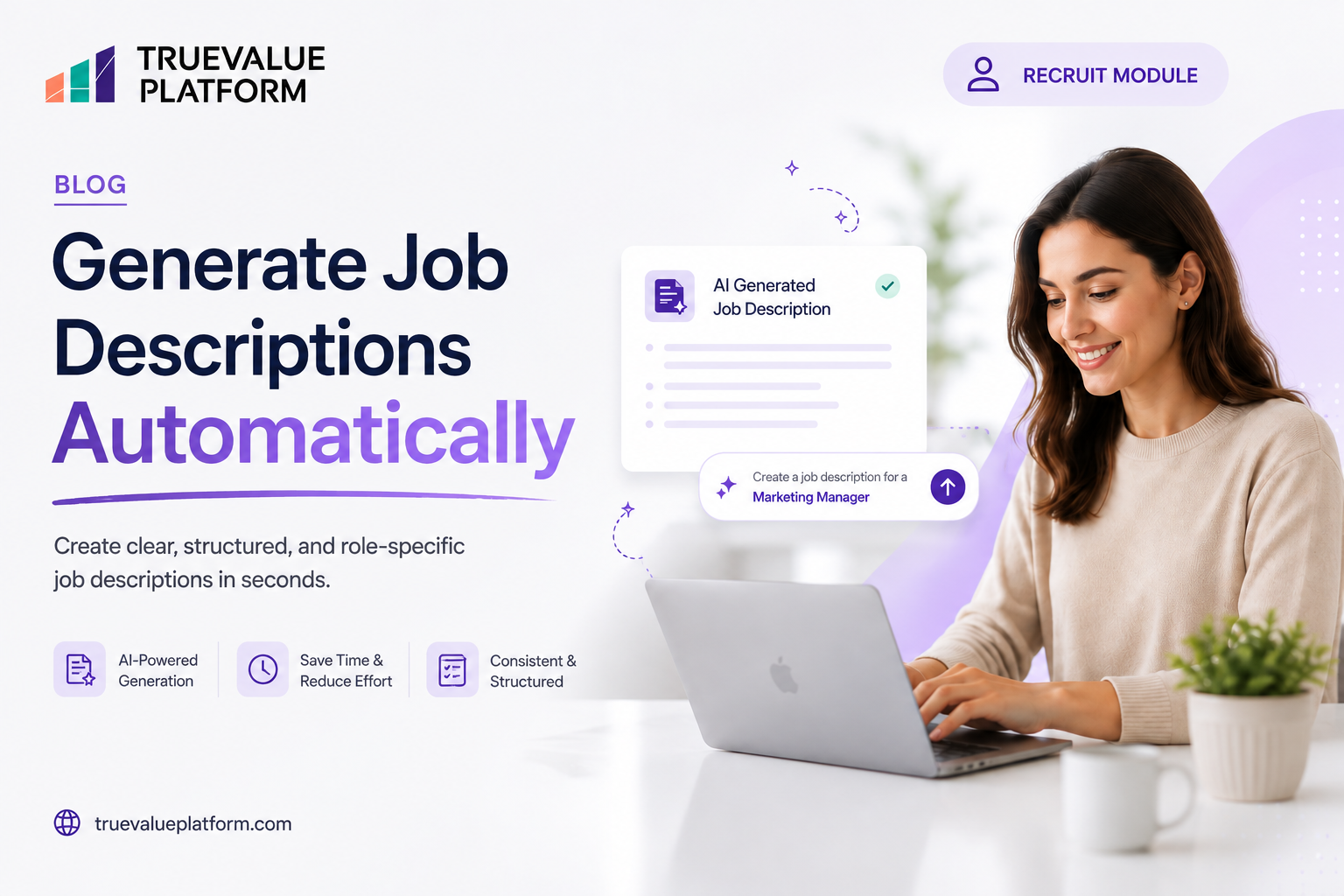
9:07 AM — “We Need to Hire a Marketing Manager.”
The message lands in your inbox.
Simple request.
“Can you create the job description today?”
You open a blank document.
Job Title: Marketing Manager
Then comes the blinking cursor.
What should the opening paragraph say?
Which responsibilities actually belong in the role?
How many skills should you include?
Should five years of experience be mandatory—or preferred?
Is the description detailed enough?
Too detailed?
Too generic?
What looked like a five-minute task has already started becoming a project.
9:19 AM — Welcome to the Copy-Paste Phase
Google opens.
Then a job portal.
Then another.
Then three competitor career pages.
Suddenly, you have six different Marketing Manager job descriptions open.
One focuses heavily on performance marketing.
Another wants a brand strategist.
Another somehow expects one person to handle SEO, paid advertising, content, social media, partnerships, events, analytics and probably fix the office Wi-Fi.
You start borrowing pieces.
A responsibility from one.
A skill from another.
A paragraph from somewhere else.
Eventually, you have a job description.
Technically.
But does it really describe your role?
That is the problem with starting recruitment from a blank page.
The challenge isn't typing.
It's turning scattered information about a role into something clear, structured and useful.
9:32 AM — What If You Didn't Start With a Blank Page?
Imagine changing one part of the process.
Instead of:
Blank page → Search → Copy → Rewrite → Format → Review
You can use:
Role details → Structured draft → Human review → Ready
You enter a few details about the position.
Role.
Skills.
Experience.
Responsibilities.
Expectations.
The system uses that information to create a structured starting point.
That's the idea behind generating job descriptions automatically within the recruitment experience shown by TrueValue Platform.AI-assisted job-description generation is one example of how recruitment teams can create a structured first draft. Any AI-generated content should still be reviewed by the hiring team before publication.
The recruiter doesn't disappear.
The blank-page problem does.
And that distinction matters.
The Most Valuable Part Isn't Actually the AI
AI gets the attention.
But workflow is the bigger story.
Recruitment teams rarely lose an entire afternoon to one dramatic problem.
They lose it ten minutes at a time.
Ten minutes looking for an old JD.
Fifteen minutes fixing formatting.
Twenty minutes checking responsibilities.
Another ten waiting for feedback.
Then the same process starts again for the next vacancy.
A better recruitment workflow reduces those unnecessary steps.
TrueValue HR is built around a broader employee lifecycle covering recruitment, onboarding, employee information and ongoing HR operations rather than treating hiring as an isolated activity.
That matters because writing the job description is only the beginning.
Someone still has to apply.
The application has to enter the hiring process.
Candidates need to move through stages.
Interviews need to happen.
Offers need to be managed.
And successful hires eventually become employees.At that point, the recruitment journey can transition into ongoing employee operations, where HR takes over the relevant people processes.
10:05 AM — A Job Description Isn't Just a Document
Think about what happens after you press Publish.
A candidate discovers the vacancy.
Reads the job description.
Decides whether the opportunity feels relevant.
Clicks Apply.
And enters your recruitment process.
That means your job description isn't simply an HR document.
It's one of the first steps in the candidate journey.
TrueValue Platform explores this idea further in its guide on connecting a career page with an applicant tracking and recruitment workflow.
The article explores how a careers website and recruitment workflow can be connected so that applications have a clearer path into the hiring process instead of relying entirely on emails, spreadsheets and manual handovers.
Website → Job → Application → Candidate → Hiring Process
Suddenly, generating the JD faster isn't just about saving writing time.
It's about helping the entire hiring journey start more cleanly.
But Should AI Write Everything?
No.
And that's where recruitment teams can use AI more intelligently.
AI can help create the first structured draft.
Humans should still ask:
Does this accurately represent the role?
Are the responsibilities realistic?
Are we requesting skills the person genuinely needs?
Does the language match our company?
Could any requirement unnecessarily exclude good candidates?
Would someone reading this actually understand what their working day might look like?
AI can assist with the starting point.Human judgement remains responsible for the context and final decision.
That's a stronger combination than blindly publishing whatever a generator produces.
For a broader look at where automation can support people operations, see TrueValue's guide to AI in HR and human resources workflows.
11:12 AM — Now Imagine 20 Vacancies
This is where the difference becomes obvious.
Writing one JD manually may not seem like a serious operational problem.
But growing companies don't hire one person forever.
Imagine preparing descriptions for:
Marketing Manager.
Sales Executive.
HR Coordinator.
Accountant.
Customer Support Specialist.
Software Developer.
Operations Manager.
And another thirteen positions.
As the number of vacancies increases, maintaining consistency can become more difficult.
Formatting changes.
Tone changes.
Different managers describe similar responsibilities differently.
Important information gets missed.
A structured generation process gives recruiters a repeatable starting point for every role.
A repeatable process can make it easier for teams to handle similar recruitment tasks consistently.
TrueValue's Product Showcase explains the wider idea behind its connected platform: purpose-built business products sharing a common operating environment rather than forcing teams to depend on disconnected systems.
You can also explore all TrueValue products to see how HR fits alongside CRM, Appointments, Site Flow, Task, Marketing, PBX and Payroll.
11:17 AM — The Cursor Isn't Blinking Anymore
Let's return to that original request.
“Can you create the Marketing Manager job description today?”
Instead of opening an empty document and wondering where to begin, you enter the role information.
A structured job description is generated.
You review it.
Add the company's context.
Correct anything that needs human judgment.
Approve it.
Move forward.
No six-tab research session.
No Frankenstein JD assembled from competitor websites.
No spending half the morning figuring out the first paragraph.
Just a clearer route from:
“We need someone.”
to
“Here's the role we're hiring for.”
Technology doesn't always need to completely reinvent someone's job to be useful.
Sometimes it just needs to remove the repetitive part that never deserved so much of their time in the first place.
Want to explore how TrueValue Recruit and HR can support connected stages of the hiring and employee journey?
Request a TrueValue Platform demo and explore how its connected products can fit your business processes.
Related Articles & Insights
Continue exploring connected workflows, product playbooks, and strategic guides.

The Real AI Transformation Is Workflow Redesign — Not Just Adding Another Tool
Adding AI to an old workflow does not automatically transform work. Learn a practical five-step method for redesigning processes around people, ownership and AI.
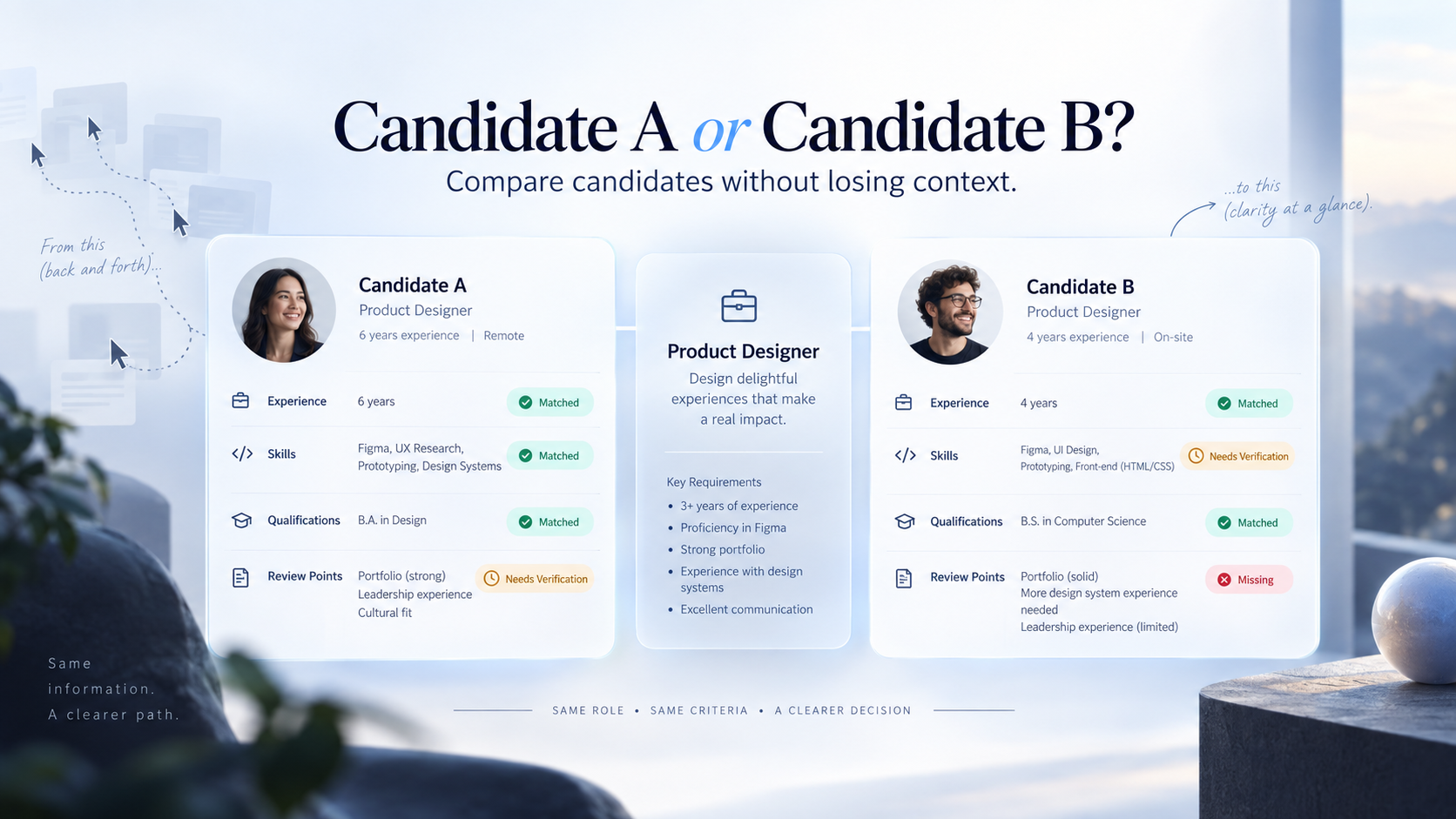
Candidate A or Candidate B? How to Compare Candidates Without Losing Context
Learn how to compare two candidates against the same role context, separate evidence from uncertainty and turn unclear information into better hiring questions.
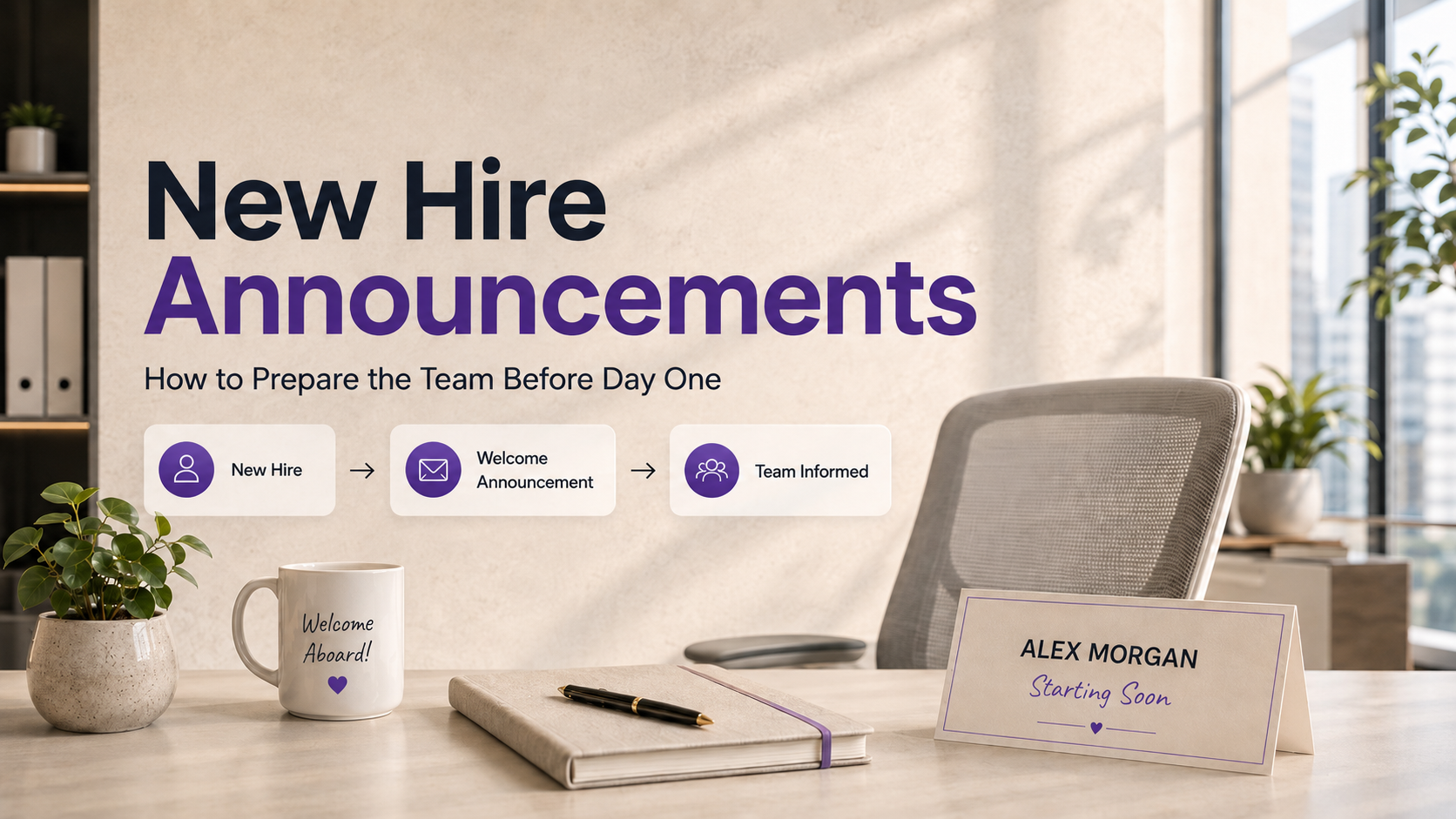
New Hire Announcements: How to Prepare the Team Before Day One
A practical guide to new hire announcements: what to include, when to send them, who should own the process, and how better pre-start communication supports onboarding.