They Replied to Your WhatsApp Campaign. Where Did the Lead Go?
Learn why WhatsApp campaign replies get lost, what information a lead-capture workflow should preserve and how Marketing and CRM can support clearer follow-up.
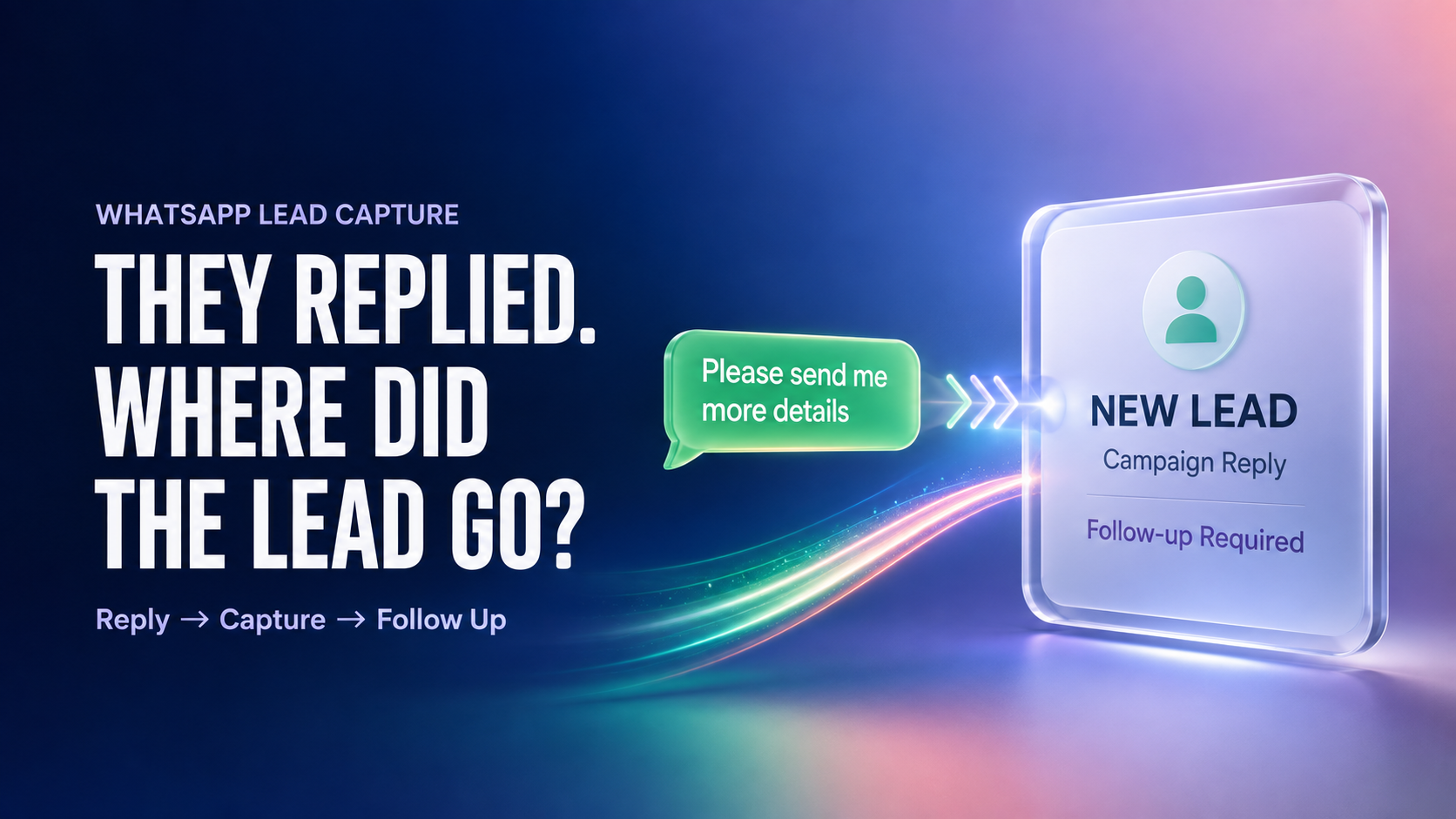
A prospect sees your WhatsApp campaign and replies, “Please send me more details.” It looks like a successful result—but what happens next?
If the reply remains inside a busy inbox, sales may never see it. If someone copies the number into a spreadsheet, the campaign source may be lost. Without clear ownership, the prospect may receive a late reply or none at all.
This is the real purpose of WhatsApp lead capture: turning an interested response into a visible record with context, ownership and a clear next action. The message matters, but the workflow after the message determines whether the opportunity moves forward.
A campaign reply is not yet a managed lead
A reply shows interest. A managed lead gives the team enough structure to act on that interest.
At minimum, the record should answer:
Who responded?
Which campaign produced the response?
What did the person ask for?
Who is responsible for replying?
What is the next action?
When should the follow-up happen?
Without this information, campaign responses become isolated conversations. One employee may know about the enquiry, but the sales team cannot see its status or whether follow-up happened.
A strong lead management process begins when every genuine enquiry becomes trackable—not when someone remembers to check a message later.
Where WhatsApp campaign leads commonly disappear
Leads usually disappear through small handover gaps:
The reply stays in the campaign inbox. Marketing sees it, but sales works elsewhere and the response never enters the sales workflow.
The contact loses its campaign context. A number is saved, but the original campaign and enquiry are missing.
Nobody owns the next step. Everyone assumes someone else will reply, leaving the lead visible but inactive.
The outcome is not recorded. Contact may happen, but managers cannot tell whether follow-up was attempted, completed or is still pending.
These gaps explain why generating more responses does not automatically create a stronger pipeline. Businesses also need a dependable system for organising and following up on leads.
What an effective WhatsApp lead capture workflow should do
The workflow should be simple enough for the team to follow every time:
Reply → Capture → Assign → Follow Up → Update
First, identify which responses represent genuine interest. A “stop” request, delivery failure or general reaction should not be treated the same as a product enquiry.
Next, create or update a lead record using the available contact information. Preserve the campaign source and message so the salesperson begins with useful context.
Then assign ownership. The lead should have one clearly responsible person or team. Add a next action such as “send brochure”, “call to understand requirements” or “schedule a consultation”.
Finally, update the outcome after contact. The lead may need another follow-up, may not be ready or may not be relevant. Recording the result protects continuity.
Why Marketing and CRM need to stay connected
Marketing measures campaign activity, while CRM supports lead and follow-up management. When these areas operate separately, teams can see replies without knowing what happened afterwards—or see leads without knowing which campaign generated them.
A connected approach gives Marketing visibility into relevant enquiries, gives Sales context before responding and helps managers review ownership and next actions.
Human judgement still matters. Someone must understand the enquiry, decide whether it is relevant and choose the right response. The system should keep the source, context and lead status visible.
How TrueValue Platform fits this process
TrueValue Marketing supports campaign planning, consent and attribution within CRM-connected workflows. TrueValue CRM supports leads, customer records, activities and follow-ups. Together, this connected approach helps businesses move from campaign activity towards a structured lead-management process.
For a WhatsApp response, the practical goal remains straightforward: preserve where the enquiry came from, keep the relevant context visible and make the next follow-up clear. That is more useful than treating the reply as an isolated message.
WhatsApp lead capture checklist
Before launching a campaign, confirm:
Who will monitor responses?
What counts as a genuine lead?
Where will lead details be recorded?
How will the campaign source be preserved?
Who will own each follow-up?
Which lead statuses will the team use?
How will unattended enquiries be reviewed?
The best time to design this workflow is before the campaign generates replies.
Frequently asked questions
What is WhatsApp lead capture?
WhatsApp lead capture is the process of turning a relevant message or campaign response into a structured lead record that the team can review, assign and follow up.
Should every WhatsApp reply become a lead?
No. Teams should separate genuine enquiries from opt-out requests, reactions, irrelevant messages and delivery events before creating lead records.
What information should be captured from a campaign reply?
Capture the available contact details, campaign source, enquiry context, responsible owner, current status and next follow-up action.
Do not let the conversation end inside the inbox
A WhatsApp reply is the beginning of a sales conversation—not the completion of the marketing process. The opportunity becomes manageable only when the team can see it, understand it and take responsibility for the next step.
To explore how connected Marketing and CRM workflows can support clearer lead handling, request a TrueValue Platform demo.
Related Articles
View all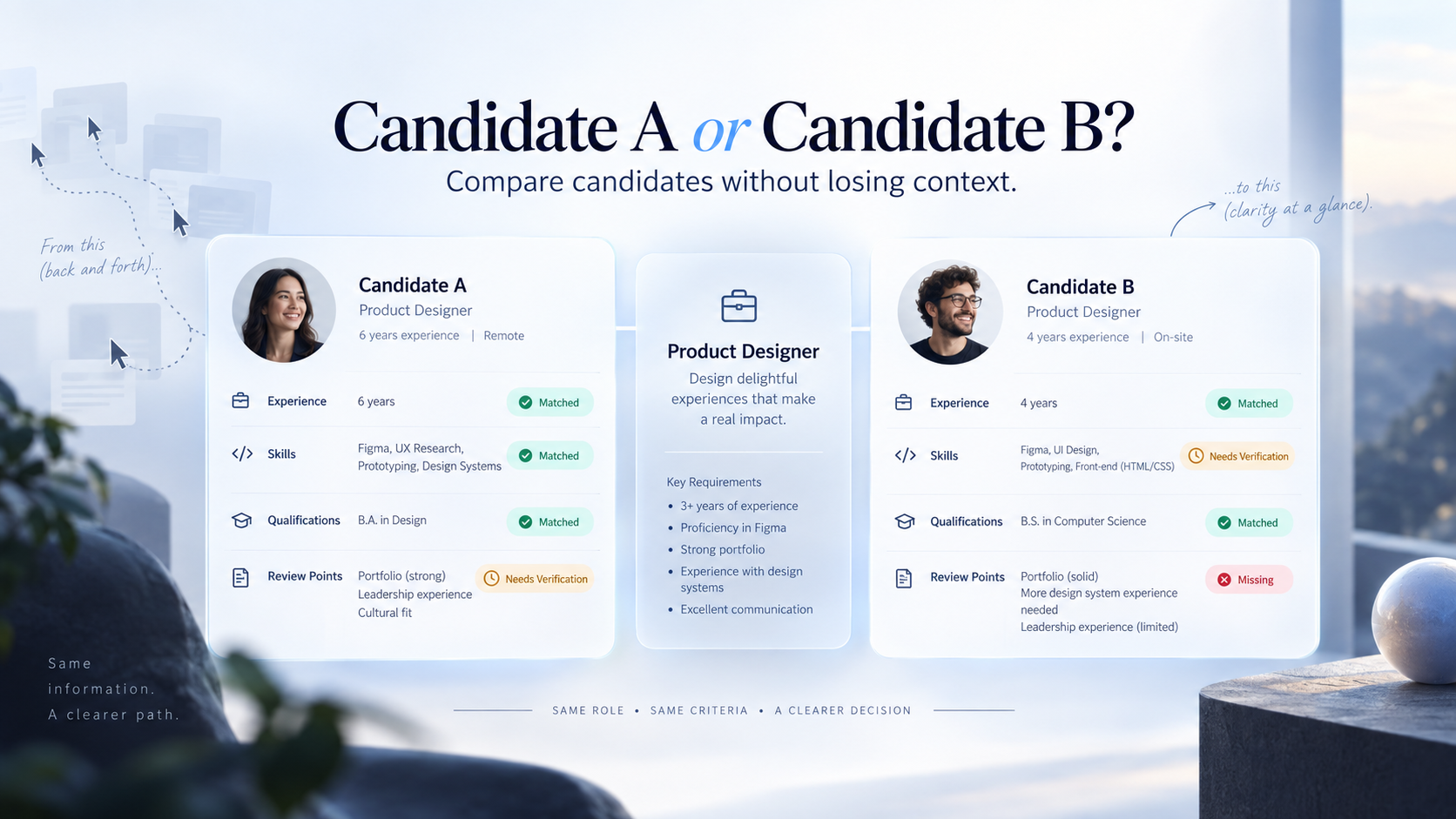
Candidate A or Candidate B? How to Compare Candidates Without Losing Context
Learn how to compare two candidates against the same role context, separate evidence from uncertainty and turn unclear information into better hiring questions.
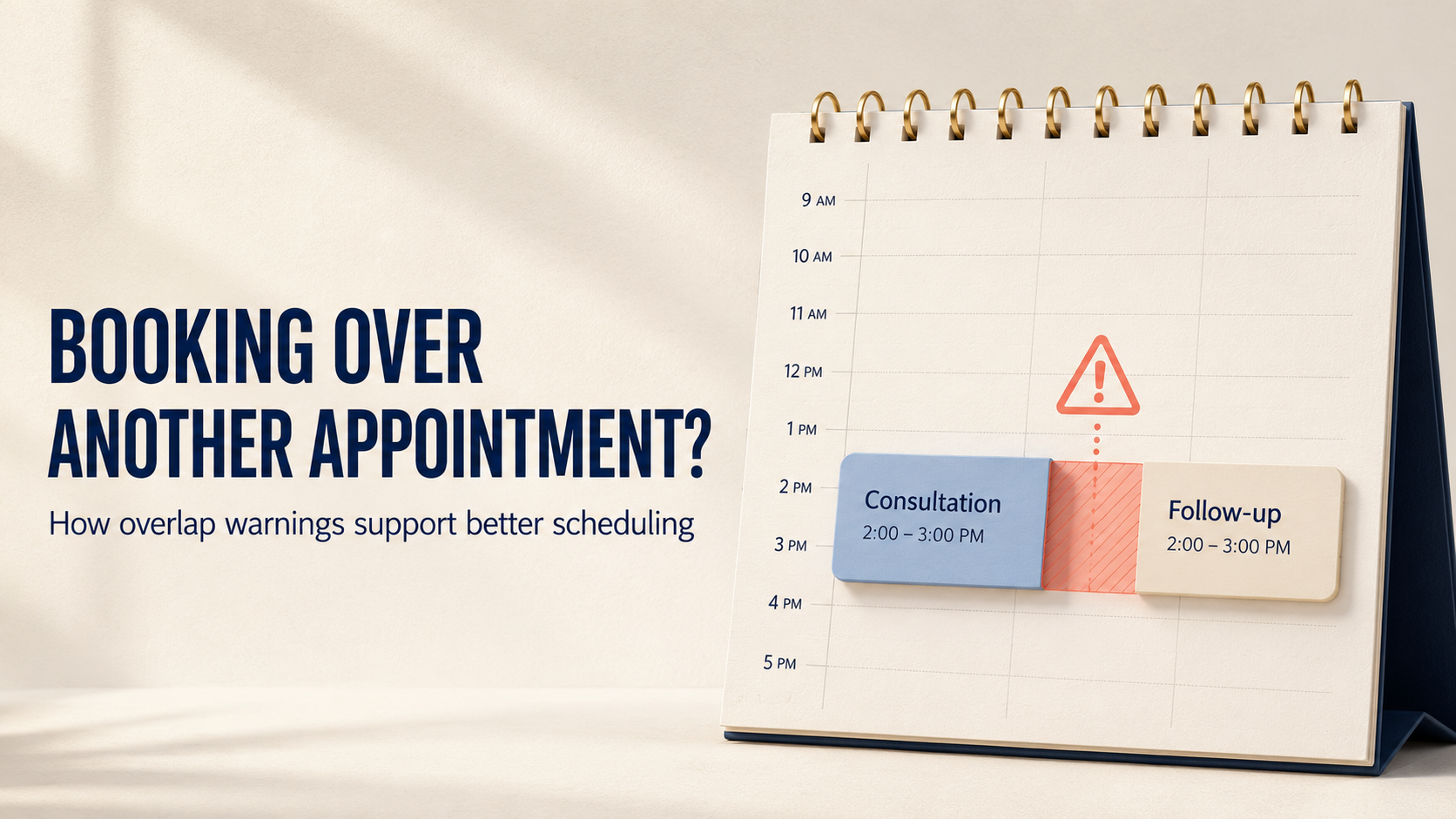
Booking Over Another Appointment? How Overlap Warnings Support Better Scheduling
Learn why appointment overlaps happen, how warning-and-override workflows support better decisions, and what teams should review before confirming a conflict.
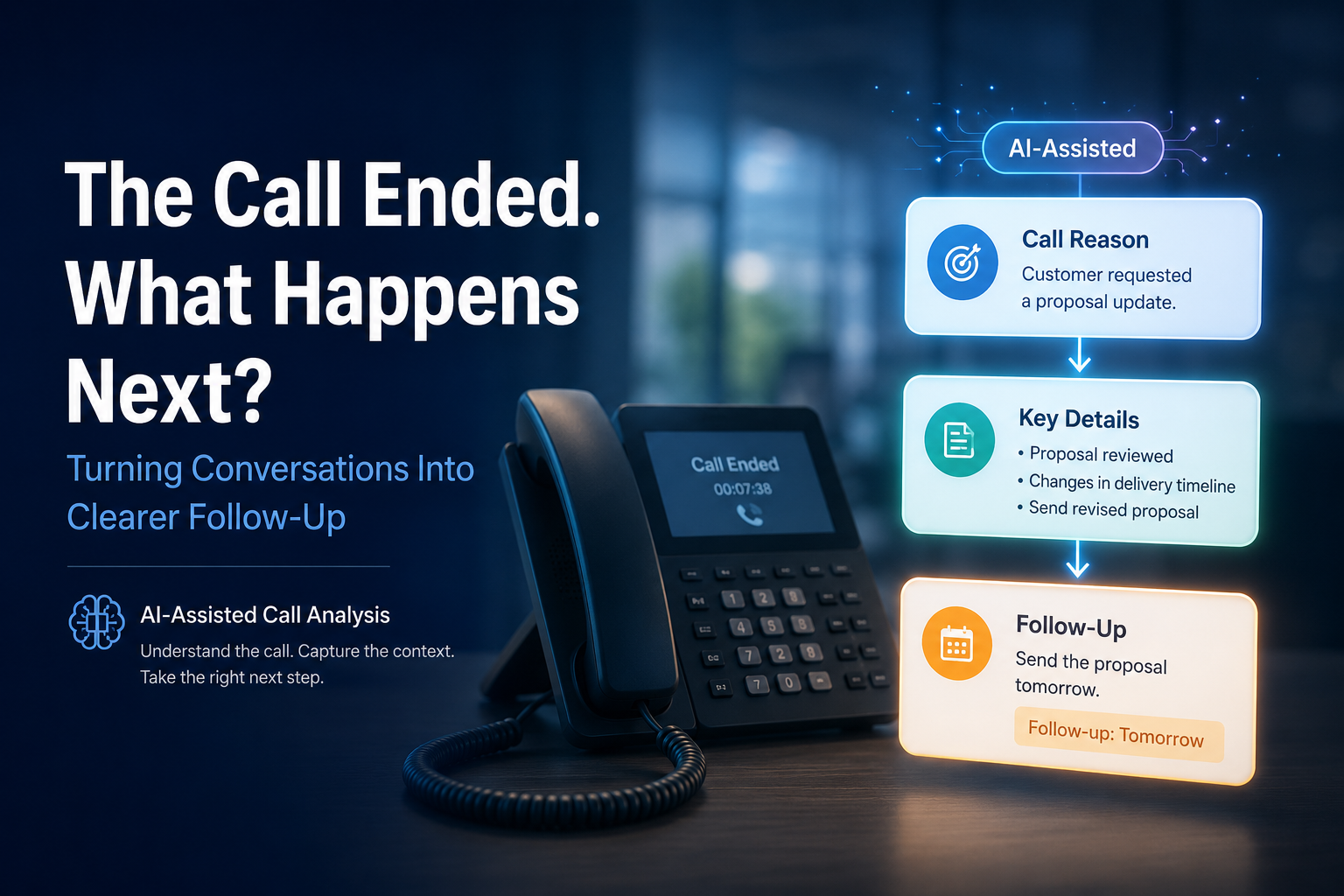
The Call Ended. What Happens Next? Turning Conversations Into Clear Follow-Up
A practical guide to turning completed business calls into clearer context by identifying the call reason, important details and the next follow-up action.