The Call Ended. What Happens Next? Turning Conversations Into Clear Follow-Up
A practical guide to turning completed business calls into clearer context by identifying the call reason, important details and the next follow-up action.
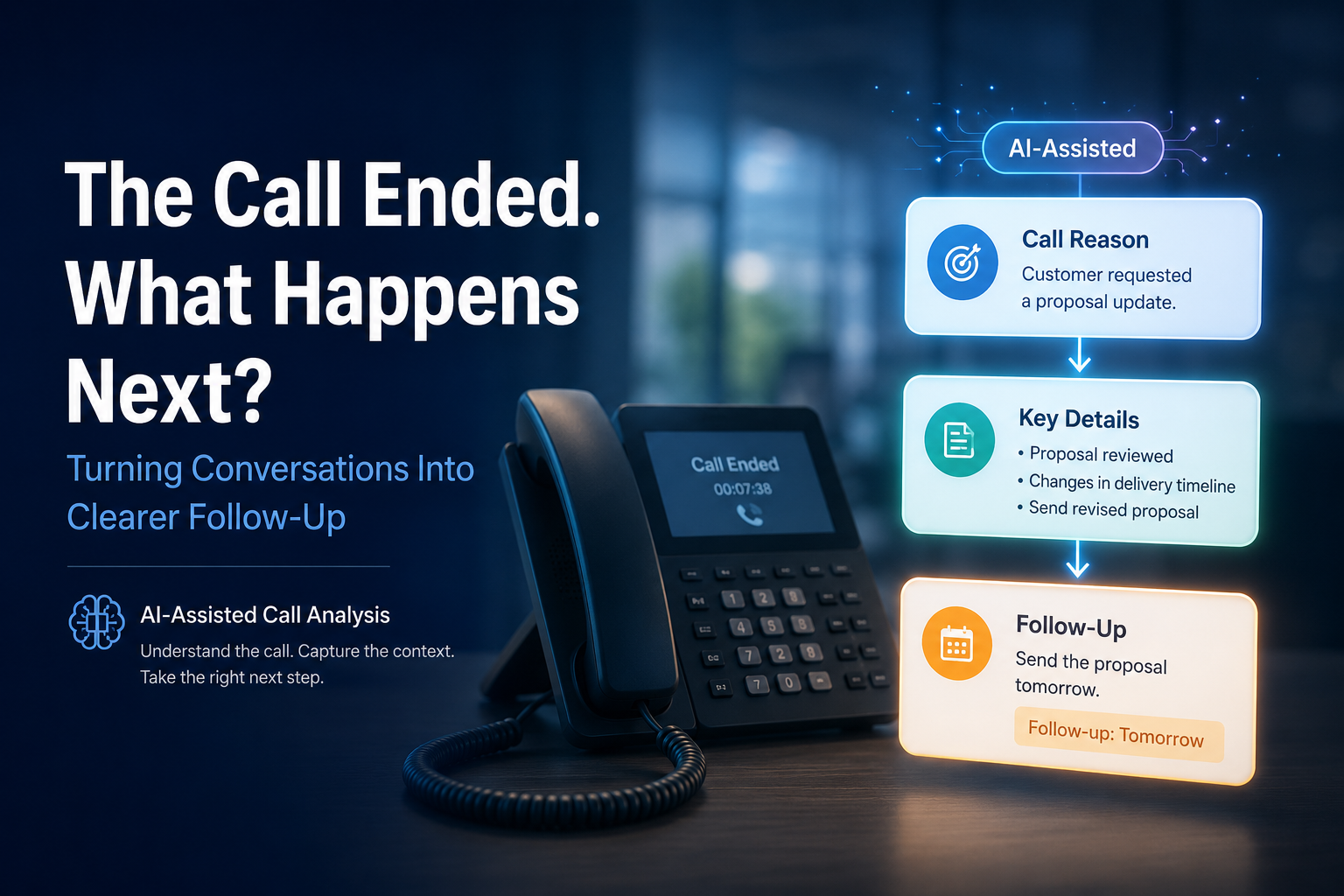
A business call can end in seconds.
The information inside it can affect what your team does for the next several days.
A customer may explain why they called, ask for a document, mention a concern, confirm a requirement and say, “Send the proposal tomorrow.”
Then the call ends.
Now the real operational question begins:
What happens next?
If the answer depends entirely on someone remembering the conversation, writing perfect notes or updating another system later, important context can easily become unclear.
A better post-call process should make three things easier to understand:
Why did the person call? What mattered in the conversation? What needs to happen next?
A Call Log Tells You a Call Happened. Context Tells You Why It Matters.
Traditional call records are useful for basic information such as who called and when a conversation took place.
But those details do not necessarily tell another employee what actually happened.
Imagine seeing this in a call history:
Customer: ABC IndustriesCall duration: 7 minutesTime: 11:35 AM
That confirms the conversation occurred.
It does not answer:
Why did the customer call?
What did they request?
Was there a problem?
Did the employee promise something?
Does somebody need to follow up?
When should that follow-up happen?
This is where post-call context becomes important.
A useful call workflow should help transform a completed conversation into information that another person can understand without having to reconstruct the entire call.
TrueValue has previously explored this idea in its guide to AI-assisted call summaries and business follow-ups.
Think About Post-Call Context in Three Layers
One practical way to organise call information is to separate it into three layers.
1. Call Reason: Why Did the Conversation Happen?
The first question is simple:
What was the caller trying to accomplish?
For example:
requesting a quotation;
checking an order;
asking about a service;
discussing an existing proposal;
raising a support issue; or
arranging another conversation.
Identifying the reason gives the call a useful label.
Instead of seeing another anonymous entry in a call history, the team can understand the purpose behind the interaction.
2. Key Details: What Should the Team Remember?
The next layer is the important information contained inside the conversation.
Suppose a customer says:
“The proposal looks fine, but please change the delivery timeline and send the revised version tomorrow.”
Several details matter.
The customer has reviewed the proposal.
A change has been requested.
The delivery timeline is the specific issue.
A revised proposal needs to be sent.
Without organised notes, one of those details can disappear between the conversation and the follow-up.
Structured context makes the call easier to continue.
3. Next Action: What Happens After the Call?
This is often the most valuable layer.
A conversation may contain clear action language:
“Call me on Friday.”
“Email the document this afternoon.”
“Send the proposal tomorrow.”
“Speak with our accounts team next week.”
An AI-assisted process can help surface this type of follow-up information for review.
For example:
Customer says: “Send the proposal tomorrow.”
↓
Potential follow-up: Send proposal — tomorrow
The important word here is potential.
AI-assisted information should support employee judgement, not replace it. Dates, names, requests and context should still be reviewed before the next action is confirmed.
Why Human Review Still Matters
AI-assisted call analysis can make information easier to organise, but businesses should not treat generated summaries or extracted actions as automatically correct.
A name may be misunderstood.
A technical term may be interpreted incorrectly.
“Tomorrow” may need to be considered alongside the actual call date and business context.
A customer may also discuss several possible next steps without agreeing to one.
A stronger workflow therefore looks more like:
Call → AI-assisted context → employee review → confirmed next action → follow-up
That final review keeps responsibility with the employee while reducing dependence on memory.
Clearer Context Also Makes Team Handoffs Easier
Post-call information becomes even more valuable when somebody other than the original caller needs to continue the relationship.
A sales manager may need to review an opportunity.
A colleague may cover for someone who is unavailable.
A support employee may need to understand an earlier conversation.
A manager may simply want to know which customers are waiting for action.
In each case, the question is similar:
Can somebody understand what happened without asking the original employee to explain everything again?
That is why call information works best when it connects with a wider customer workflow rather than remaining isolated.
Businesses reviewing this wider process can also explore the TrueValue Platform Product ecosystem to understand how calling, customer management, appointments and task ownership can fit into more connected operations.
Where TrueValue PBX Fits
TrueValue PBX focuses on business telephony workflows, including calling, extensions, routing, queues and call visibility.
But the operational value of a business call does not stop when someone hangs up.
The stronger goal is to create a clearer path from:
Conversation → Context → Follow-Up
AI-assisted call context can help teams organise what was discussed so people can review the reason, important details and potential next action instead of relying entirely on memory.
That creates a much more useful question after every important call:
Not simply “Who called?”
But “What do we need to do now?”
Frequently Asked Questions
What is post-call context?
Post-call context is the useful information captured from a completed conversation, such as why the customer called, what was discussed, important requests and possible next actions.
Is a call summary the same as a follow-up task?
No. A summary explains what happened. A follow-up defines what should happen next. The two can support each other, but an employee should confirm the appropriate action.
Can AI identify follow-up information from a conversation?
AI-assisted analysis can help surface relevant statements, including requests and time-based follow-up information. The output should still be reviewed by a person before action is taken.
Why is call reason important?
Call reason gives teams quick context about the purpose of a conversation. This can make call histories easier to understand and help employees prioritise what requires attention.
Should businesses rely completely on AI-generated call information?
No. AI is most useful as an assistant. Human review remains important for interpreting context, checking accuracy and deciding the correct next step.
The Call Should Create Context, Not Another Mystery
The value of a business conversation is not simply that the call was answered.
It is what the organisation understands and does afterwards.
When teams can move from call reason to key details to clearer follow-up, conversations become easier to continue and important information is less dependent on individual memory.
If your team wants to explore how TrueValue Platform can support more connected calling and follow-up workflows, Request a Demo.
Related Articles
View all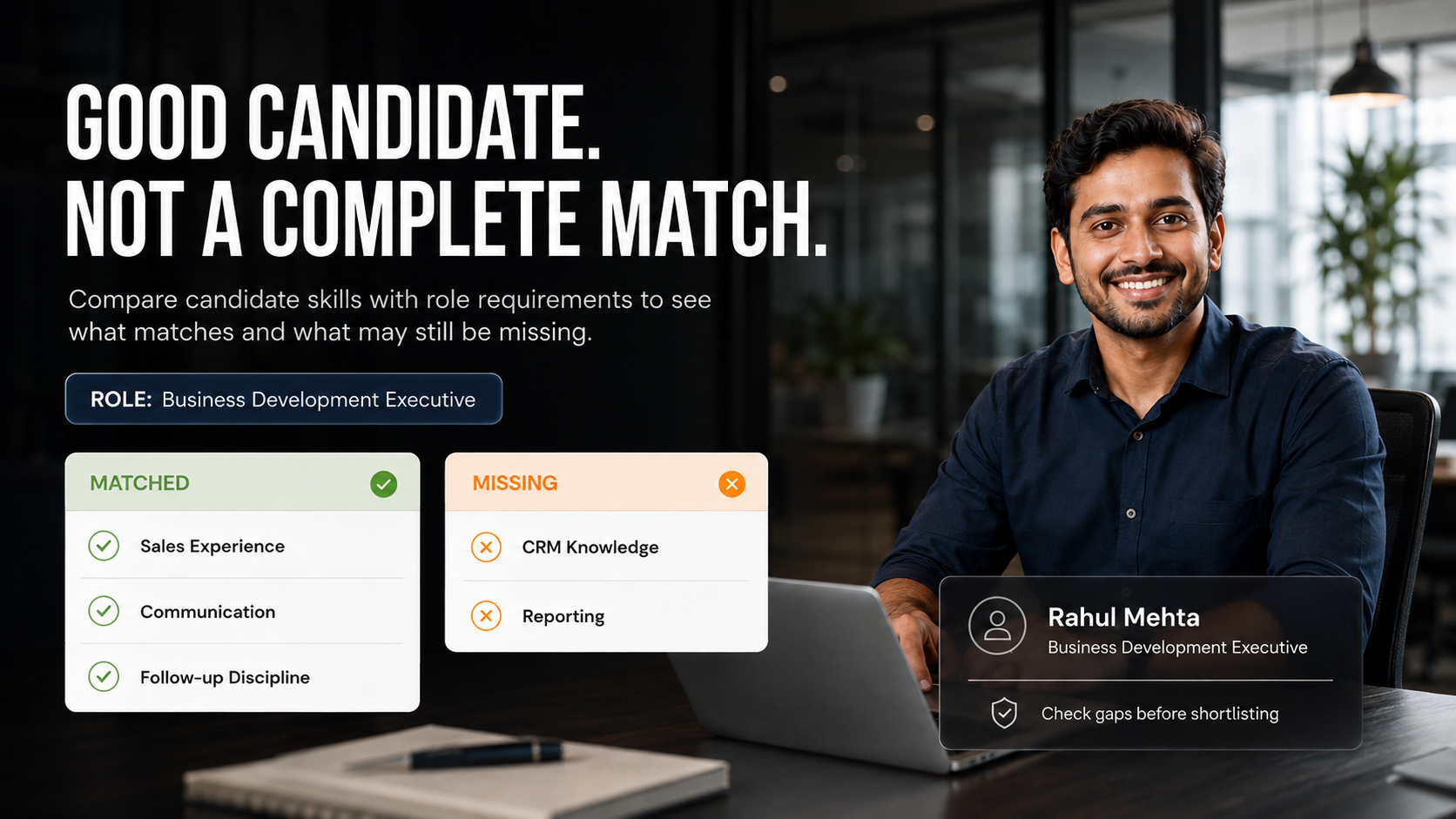
Good Candidate, Not a Complete Match: How to Compare Skills Before Shortlisting
A practical guide to comparing candidate skills with role requirements, identifying genuine gaps and turning unclear areas into better shortlisting and interview decisions.
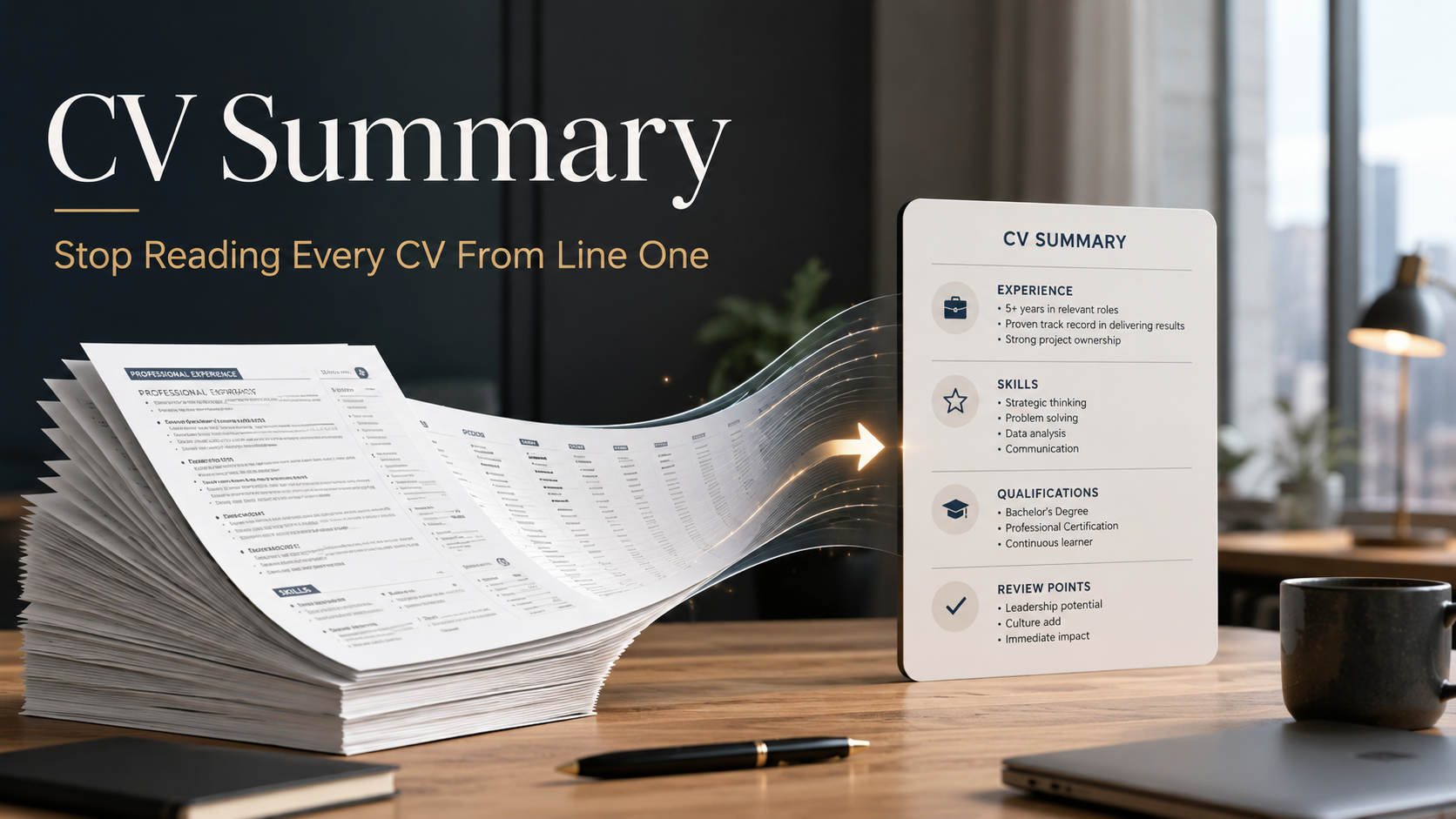
CV Summary: Stop Reading Every CV From Line One
Learn how structured CV summaries can help recruiters identify relevant experience, skills and review points faster while keeping verification and human judgement central to hiring.
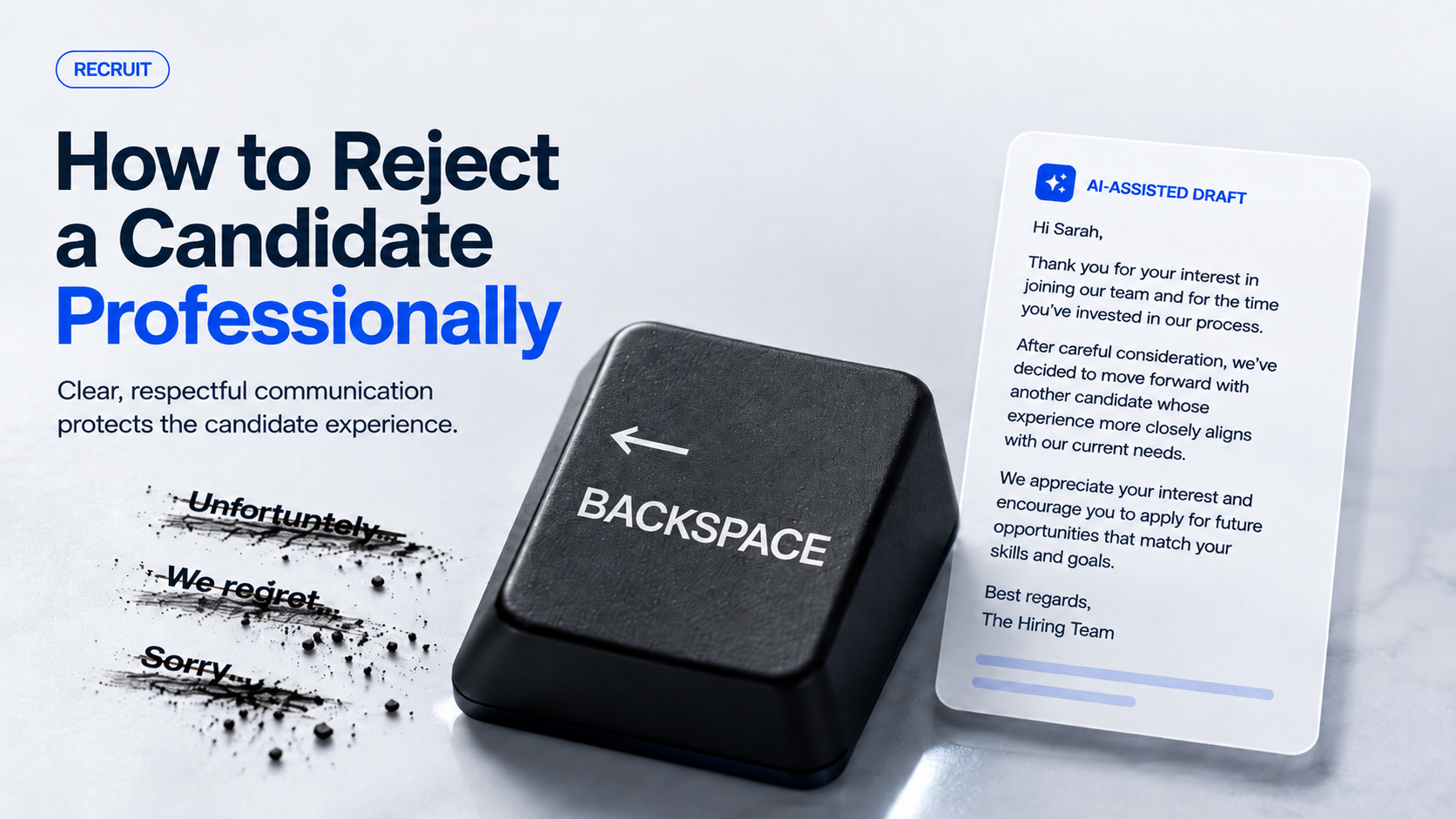
How to Reject a Candidate Professionally Without Damaging the Candidate Experience
Learn how to write clear, respectful candidate rejection emails, adapt messages to each hiring stage and use AI-assisted drafting without removing human judgement.