The Employee Overview You Need—Without the Searching
Give authorised users a concise view of key employee information in one place. Discover how a structured Employee Overview can reduce searching and provide clearer visibility into departments, roles and access.
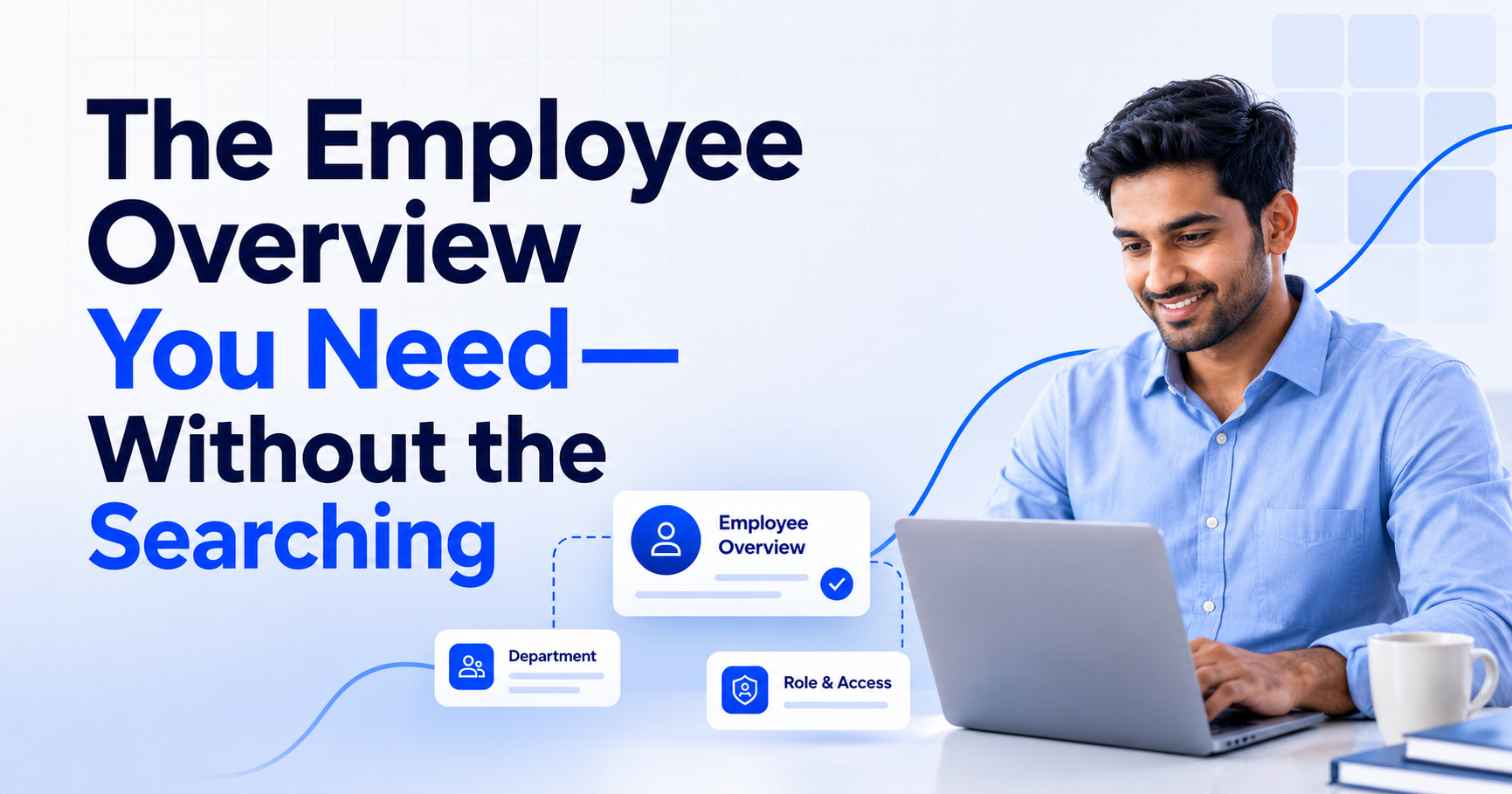
When a manager needs a team member’s role, department or current status, the answer should not require a search through spreadsheets, shared folders, email threads and chat messages. Yet this is exactly how employee information is handled in many growing organisations. The data exists, but it is scattered across different places, maintained by different people and difficult to review when a decision needs to be made.
An employee overview creates a simpler starting point. It gives authorised users a concise view of key employee information in one place, helping HR teams and managers find the context they need without repeatedly asking others or checking several files. Within TrueValue Platform, HR is a dedicated Product for managing employee and people operations, supported by shared organisation and permission-aware foundations.
Why searching becomes an operational problem
Searching for employee information may look like a small inconvenience, but the cost grows with the team.
A manager may need to confirm who belongs to a department. HR may need to check a job role before updating an internal process. An authorised administrator may need to understand which access level is appropriate for an employee.
If every answer depends on a different document or person, routine work slows down.
The problem is not only the time spent searching. Scattered records can create inconsistent versions of employee information. One spreadsheet may contain an old role, while another file reflects a recent department change. A manager may work from one version while HR uses another.
The result is avoidable confusion around responsibilities, reporting structures and access decisions.
What should an employee overview provide?
A useful employee overview should be concise. It should help authorised users understand an employee’s organisational context without turning every check into a complete record review.
Depending on the user’s permissions and the organisation’s configuration, an employee overview may include:
Core employee information required for everyday HR work
The department connected to the employee
The employee’s role within the organisation
Relevant employee status information
Role and access context for authorised administration
The purpose is not to expose every piece of employee data to every user. It is to make appropriate information easier to find for the people who are authorised to use it.
TrueValue HR supports employee-oriented workflows, while the wider Platform uses shared organisation and permission structures. This connected approach helps businesses organise employee information around how their teams operate.
Departments add context to employee information
An employee’s name alone does not explain where that person sits within the business.
Department information gives managers valuable context. It can help them understand the team structure, identify the right point of responsibility and reduce unnecessary communication when coordinating work.
For example, when a manager needs to assign an internal task, approve a request or check responsibility for a particular workflow, knowing the employee’s department can make the next step clearer.
This context becomes increasingly important as a company adds more employees, teams, branches or business functions.
Roles and access should be considered together
Employee information and access decisions are closely connected, but access should never be treated casually.
A job title does not automatically mean that a person should see every employee record or access every Product. Authorised administrators need a clear understanding of organisational roles and the ability to manage access according to business responsibilities.
TrueValue Platform is designed around organisation-aware permissions and shared access foundations. Access can still depend on factors such as the organisation’s configuration, Product entitlement and individual user permissions.
This distinction matters. A central employee overview should improve visibility for authorised users without turning centralisation into unrestricted access.
A clearer overview supports better decisions
Consider a growing business where an employee moves to a different department.
If the employee’s role is updated in one place but not another, managers may continue assigning work using outdated information. HR may need to answer the same questions repeatedly, while access reviews may take longer than necessary.
With a concise employee overview, an authorised manager can confirm the employee’s department, understand their role and follow the appropriate process for any required access changes.
The overview does not replace HR judgement, approval processes or responsible access management. It gives decision-makers clearer information before they act.
This visibility can also support everyday coordination. Instead of asking HR for another spreadsheet or searching through previous messages, authorised users can begin with a structured employee view.
Reducing dependency on manual knowledge
In smaller organisations, important employee information is often remembered by a few experienced people.
This may work temporarily, but it becomes difficult to maintain as the team grows. When a particular manager is unavailable, other employees may not know where to find the required information.
A structured employee overview helps reduce this dependency on individual memory. Information becomes part of an organised process rather than something that must be requested from a particular person.
That can support more consistent HR administration and make routine employee-related work easier to continue.
Questions growing organisations should review
Businesses evaluating their employee information process should ask:
Where do managers currently look for employee details?
How often are roles or departments duplicated across different files?
Who is authorised to view or update each type of employee information?
How are department or role changes communicated?
Can managers find the context they need without requesting another manual report?
These questions can help reveal whether employee information is truly centralised or simply distributed across several digital documents.
Businesses can also explore all TrueValue Platform Products to understand how HR fits within a connected business operations environment.
Give authorised users clarity without the searching
Employee information is most useful when it is organised, current and available to the right people at the right time.
A concise employee overview can help reduce routine searching, clarify department and role context, and support more consistent HR administration. Instead of spending time locating basic information, authorised users can begin with a clearer understanding of the employee and their place within the organisation.
TrueValue Platform HR is a launched Product available through a guided demo process.
To explore how Employee Overview and connected HR workflows could fit your organisation, request a personalised demo.
You can also read more business and Product insights or contact the TrueValue Platform team with your questions.
Related Articles & Insights
Continue exploring connected workflows, product playbooks, and strategic guides.

The Real AI Transformation Is Workflow Redesign — Not Just Adding Another Tool
Adding AI to an old workflow does not automatically transform work. Learn a practical five-step method for redesigning processes around people, ownership and AI.
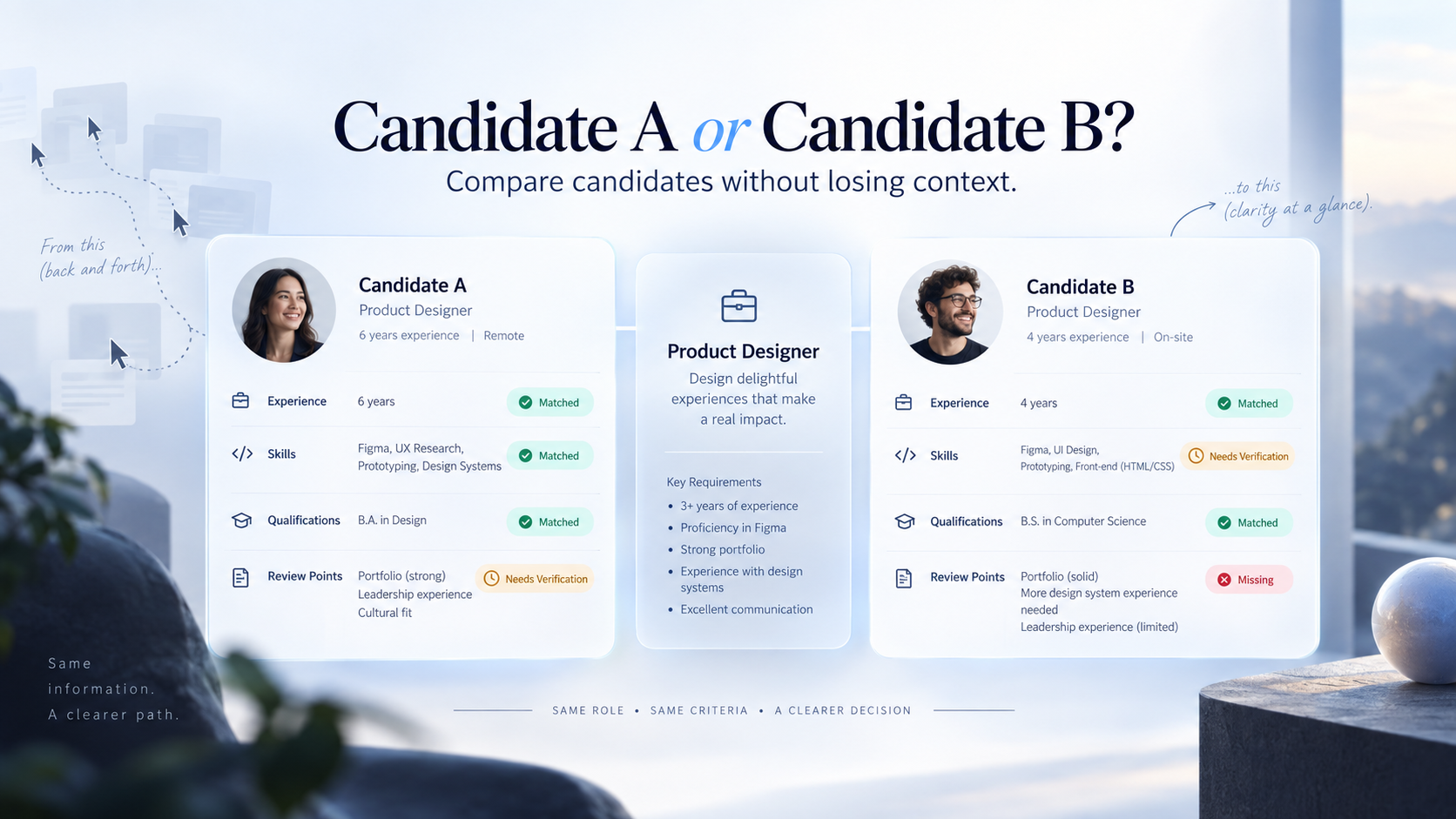
Candidate A or Candidate B? How to Compare Candidates Without Losing Context
Learn how to compare two candidates against the same role context, separate evidence from uncertainty and turn unclear information into better hiring questions.
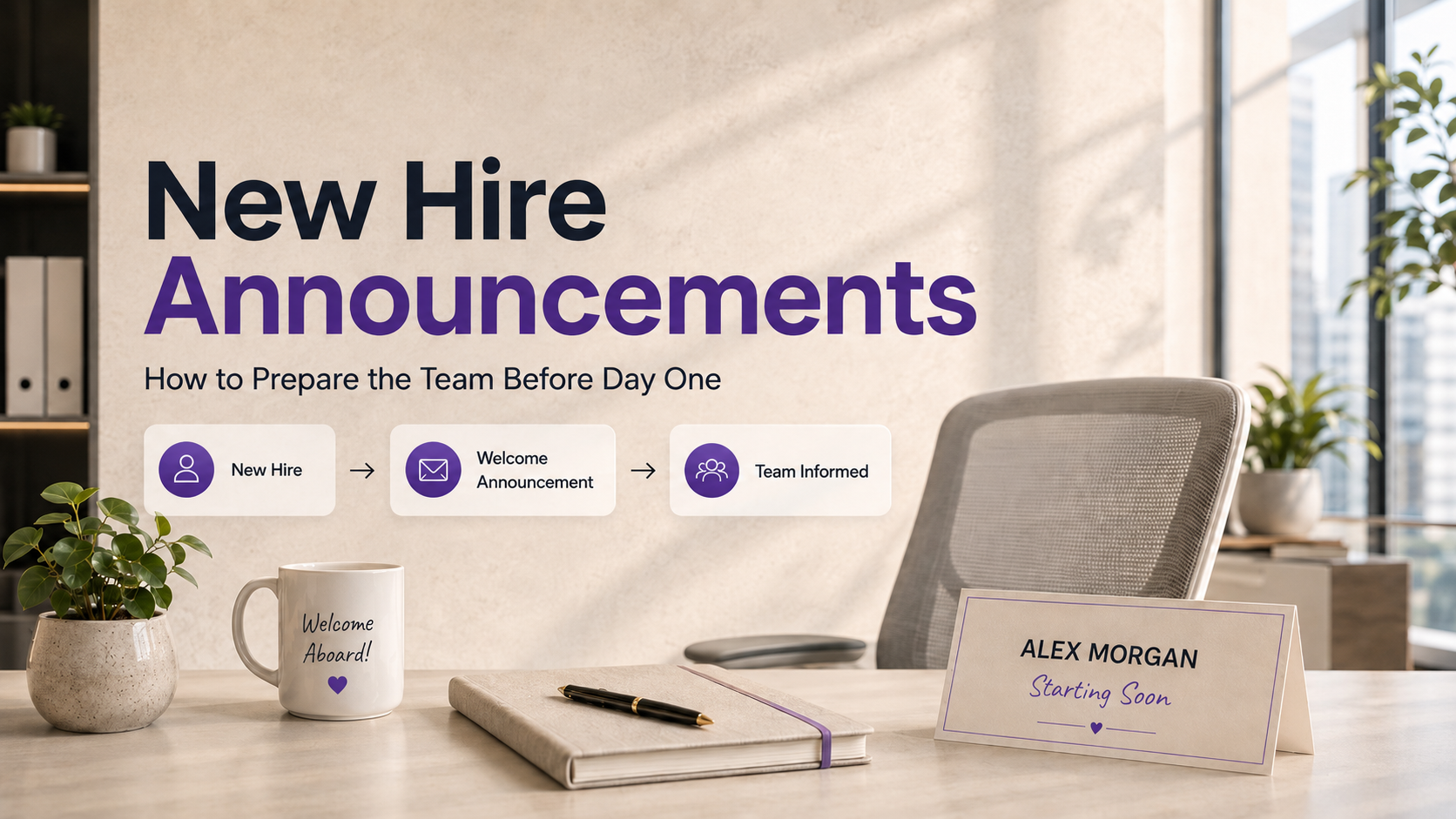
New Hire Announcements: How to Prepare the Team Before Day One
A practical guide to new hire announcements: what to include, when to send them, who should own the process, and how better pre-start communication supports onboarding.