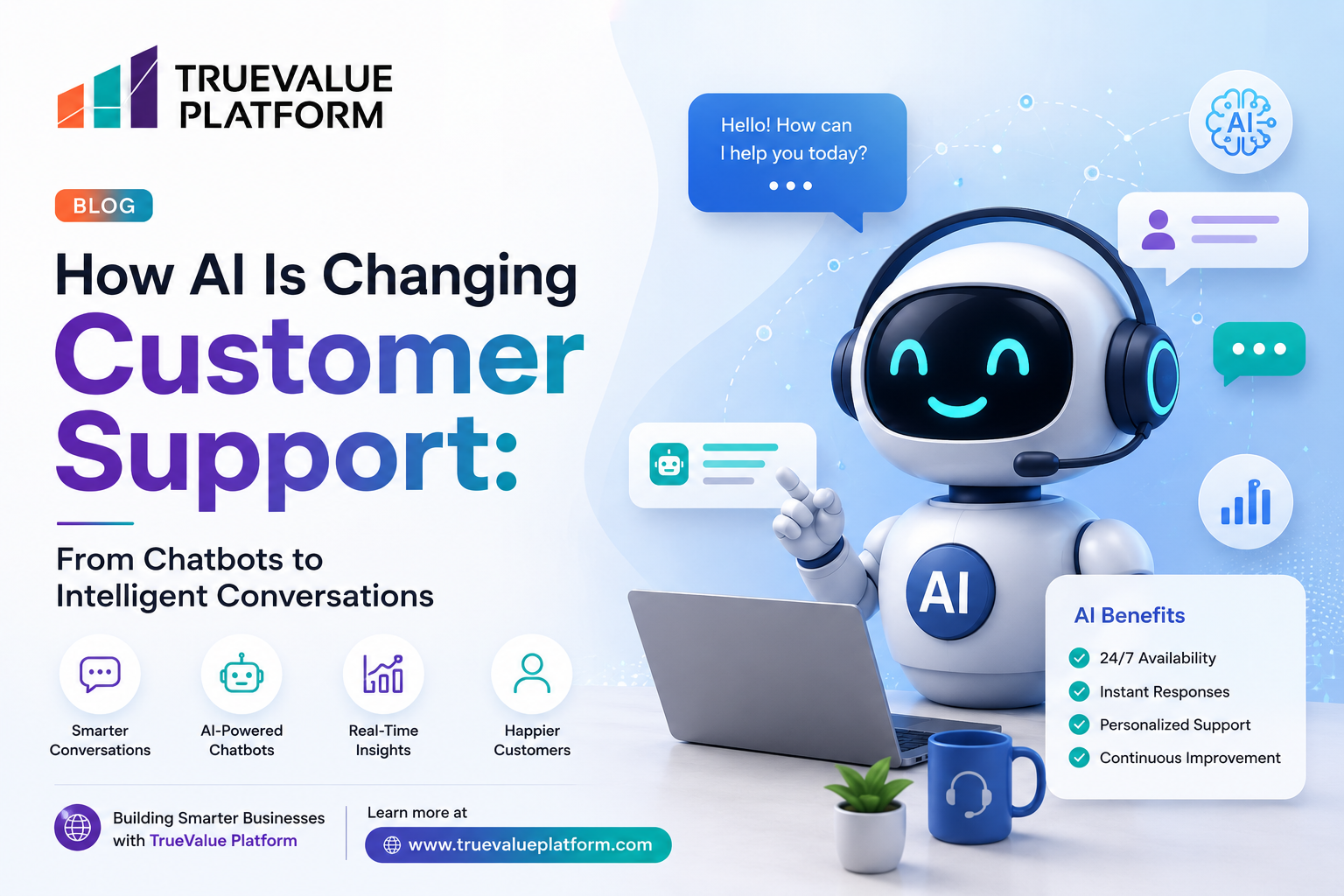
How AI Is Changing Customer Support: From Chatbots to Intelligent Conversations
Customer expectations are changing. People want quick answers, simple interactions, and support that feels accessible. AI is helping businesses move beyond traditional support systems toward intelligent conversations that improve both customer experience and operational efficiency. The future of customer support is not humans versus AI. It is humans working with AI to create faster, smarter, and more helpful experiences.
A customer visits your website with a simple question.
They want to know your pricing, services, availability, delivery process, appointment options, or support information.
They do not want to search through multiple pages, fill out a form and wait for an email reply.
They want an answer.
This simple change in customer expectations is reshaping how businesses think about support.
For years, customer support was built around emails, phone calls, ticket systems, and FAQ pages. These methods still have value, but customers today expect faster, more convenient, and more personalized interactions.
This is where artificial intelligence is changing the customer support experience.
AI is helping businesses move from static information pages and repetitive support tasks toward intelligent conversations that can understand questions, provide relevant answers, and guide customers toward the next step.
The Problem With Traditional Customer Support
Traditional customer support systems often create unnecessary friction.
A visitor may have a question while exploring your website:
"Do you offer this service?"
"How does your process work?"
"Can I schedule a meeting?"
"What documents do I need?"
"What are your business hours?"
If the answer is difficult to find, many visitors simply leave.
For businesses, this creates several challenges:
1. Customers Wait Too Long for Answers
A customer who receives an answer after several hours may already have moved to another competitor.
Speed matters, especially when someone is actively looking for information.
2. Support Teams Answer the Same Questions Repeatedly
Many support conversations involve common questions:
Product information
Service details
Pricing-related queries
Process explanations
Basic troubleshooting
Support teams spend valuable time answering repetitive questions instead of focusing on more complex customer issues.
3. Website Content Alone Is Not Always Enough
Businesses invest heavily in creating website content, blogs, and FAQs.
But content only helps when customers can find the right information quickly.
A visitor does not always know which page contains the answer they need.
The Evolution of Chatbots: From Simple Replies to Intelligent Conversations
Not all chatbots are the same.
The technology has evolved significantly over the years.
Stage 1: Rule-Based Chatbots
The first generation of chatbots worked using predefined rules.
For example:
Customer:
"What are your working hours?"
The chatbot searches for a matching keyword and displays a fixed response.
These bots were useful for simple tasks, but they had limitations.
They struggled when customers asked questions differently.
For example:
"When are you open?"
"Can I visit your office tomorrow?"
"Do you work on weekends?"
A human understands these questions are related.
A basic chatbot may not.
Stage 2: Knowledge-Based AI Assistants
Modern AI assistants work differently.
Instead of only matching keywords, they can understand the meaning behind questions.
They can search approved business information such as:
Website pages
FAQs
Blogs
Service information
Product documentation
Then they provide responses based on available knowledge.
This makes conversations feel more natural and useful.
Stage 3: Intelligent AI Customer Conversations
The next generation of customer support is not just about answering questions.
It is about helping customers complete actions.
An intelligent AI assistant can help visitors:
Find relevant information
Understand products or services
Get immediate answers
Start conversations with businesses
Share details for follow-up
The goal is not to replace human teams.
The goal is to help businesses create faster and better customer experiences.
How AI Customer Support Works Behind the Scenes
Many people imagine AI chatbots as simple question-answer tools.
Modern AI systems are more advanced.
A simplified process looks like this:
Step 1: Business Knowledge Is Connected
The AI system learns from approved information sources.
Examples:
Website content
FAQs
Articles
Service pages
Documentation
Step 2: Customer Asks a Question
A visitor interacts naturally.
Example:
"Can I book an appointment with your team next week?"
Step 3: AI Understands the Intent
The system identifies what the visitor is trying to achieve.
The question is not just treated as a collection of words.
The AI understands the meaning.
Step 4: Relevant Information Is Retrieved
The AI searches connected knowledge sources and finds relevant information.
Step 5: A Helpful Response Is Generated
The visitor receives a contextual answer instead of a generic message.
This creates a more natural conversation experience.
Benefits of AI Customer Support for Businesses
1. Faster Customer Responses
Customers can get immediate answers without waiting for business hours.
This improves convenience and reduces frustration.
2. Better Website Experiences
A website should not only display information.
It should help visitors find what they need.
AI assistants make websites more interactive by turning browsing into a conversation.
3. Reduced Repetitive Support Work
AI can handle common questions, allowing support teams to focus on:
Complex problems
Customer relationships
Important conversations
4. More Opportunities to Capture Leads
Customer questions often indicate buying interest.
A conversation about a service, product, or appointment can become a valuable business opportunity.
AI-powered conversations can help identify interested visitors and collect relevant information.
5. Consistent Customer Communication
Businesses want customers to receive accurate information every time.
AI assistants connected with approved business content can help maintain consistency across customer interactions.
Common Mistakes Businesses Make When Implementing AI Chatbots
AI can improve customer support, but implementation matters.
Here are some common mistakes:
Mistake 1: Adding AI Without Useful Information
An AI assistant is only as helpful as the information it can access.
Poor or outdated content leads to poor responses.
Mistake 2: Trying to Automate Everything
AI should support human teams, not eliminate every human interaction.
Complex situations still require human judgment.
Mistake 3: Ignoring Customer Conversations
AI conversations provide valuable insights.
Businesses can learn:
What customers frequently ask
Where visitors need more information
Which services attract interest
Mistake 4: Treating AI as a One-Time Setup
Customer needs change.
Businesses should regularly improve their content and update knowledge sources.
What Businesses Should Look For in an AI Customer Support Solution
Before choosing an AI support solution, businesses should consider:
Business Knowledge Integration
The AI should understand your actual products, services, and information.
Natural Conversations
Customers should not feel like they are talking to a rigid automated system.
Lead Capture Capability
Support conversations can also become business opportunities.
Analytics and Improvement
Businesses should understand what customers are asking and how conversations perform.
Easy Website Integration
Adding AI support should not require rebuilding an entire website.
How TrueValue SiteFlow Helps Businesses Create Smarter Website Conversations
Modern businesses need websites that do more than display information.
They need websites that engage visitors, answer questions, and create opportunities.
TrueValue SiteFlow helps businesses add AI-powered website conversations by using approved website information, FAQs, blogs, and content sources to provide relevant answers to visitors.
With SiteFlow, businesses can create a more interactive website experience by combining AI conversations with website engagement tools such as forms, analytics, content management, and customer interaction features.
The goal is simple:
Help visitors get answers faster while helping businesses create better customer engagement opportunities.
Final Thoughts
Customer expectations are changing.
People want quick answers, simple interactions, and support that feels accessible.
AI is helping businesses move beyond traditional support systems toward intelligent conversations that improve both customer experience and operational efficiency.
The future of customer support is not humans versus AI.
It is humans working with AI to create faster, smarter, and more helpful experiences.
Frequently Asked Questions (FAQ)
What is an AI customer support chatbot?
An AI customer support chatbot is a conversational system that uses artificial intelligence to understand customer questions and provide relevant answers based on available information.
How is AI different from traditional chatbots?
Traditional chatbots usually follow predefined rules, while AI-powered chatbots can understand context, search information sources, and generate more natural responses.
Can AI chatbots replace customer support teams?
AI chatbots are designed to assist support teams by handling repetitive questions and improving response times. Human teams remain important for complex customer situations.
Can AI chatbots generate leads?
Yes. AI conversations can help identify interested visitors and collect information when someone wants to learn more about products or services.
What information can an AI chatbot use?
Depending on the system, AI assistants can use approved business content such as website pages, FAQs, blogs, and documentation
Related Articles & Insights
Continue exploring connected workflows, product playbooks, and strategic guides.
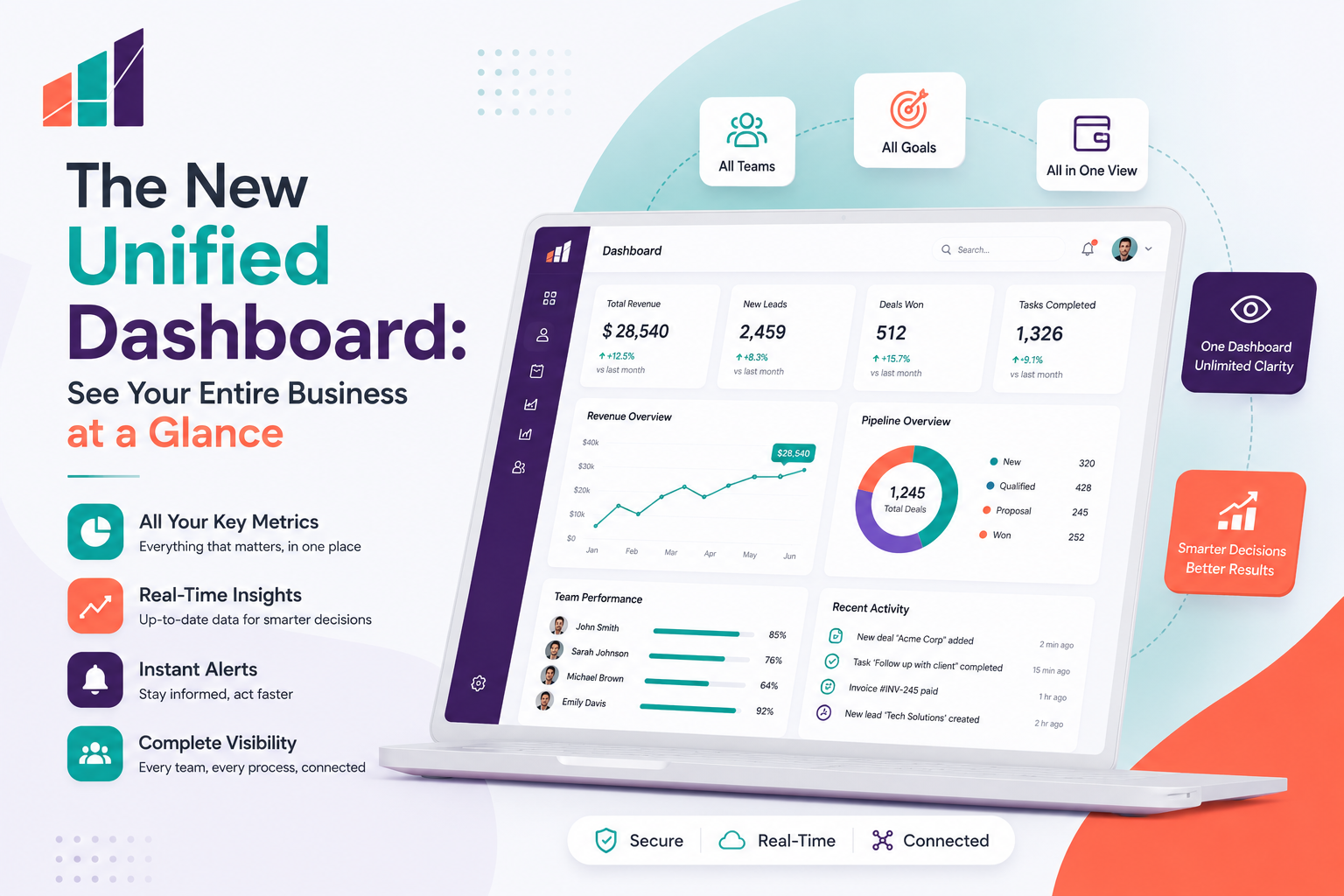
The New Unified Dashboard: See Your Entire Business at a Glance
Unlock the power of a unified view with our new dashboard, designed to help you see your entire business at a glance.
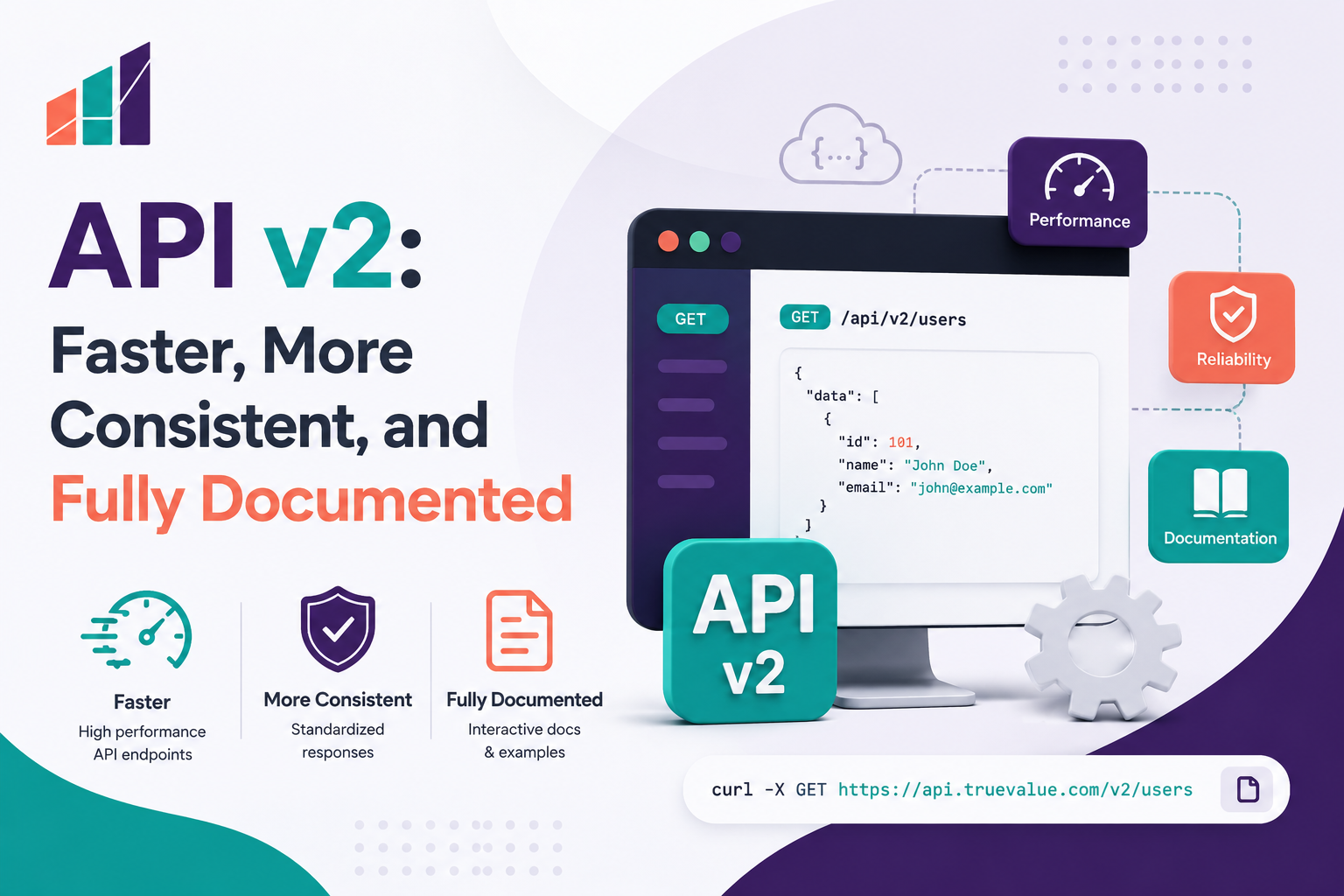
API v2: Faster, More Consistent, and Fully Documented
API v2 upgrade brings faster performance, consistent structure, and comprehensive documentation for developers
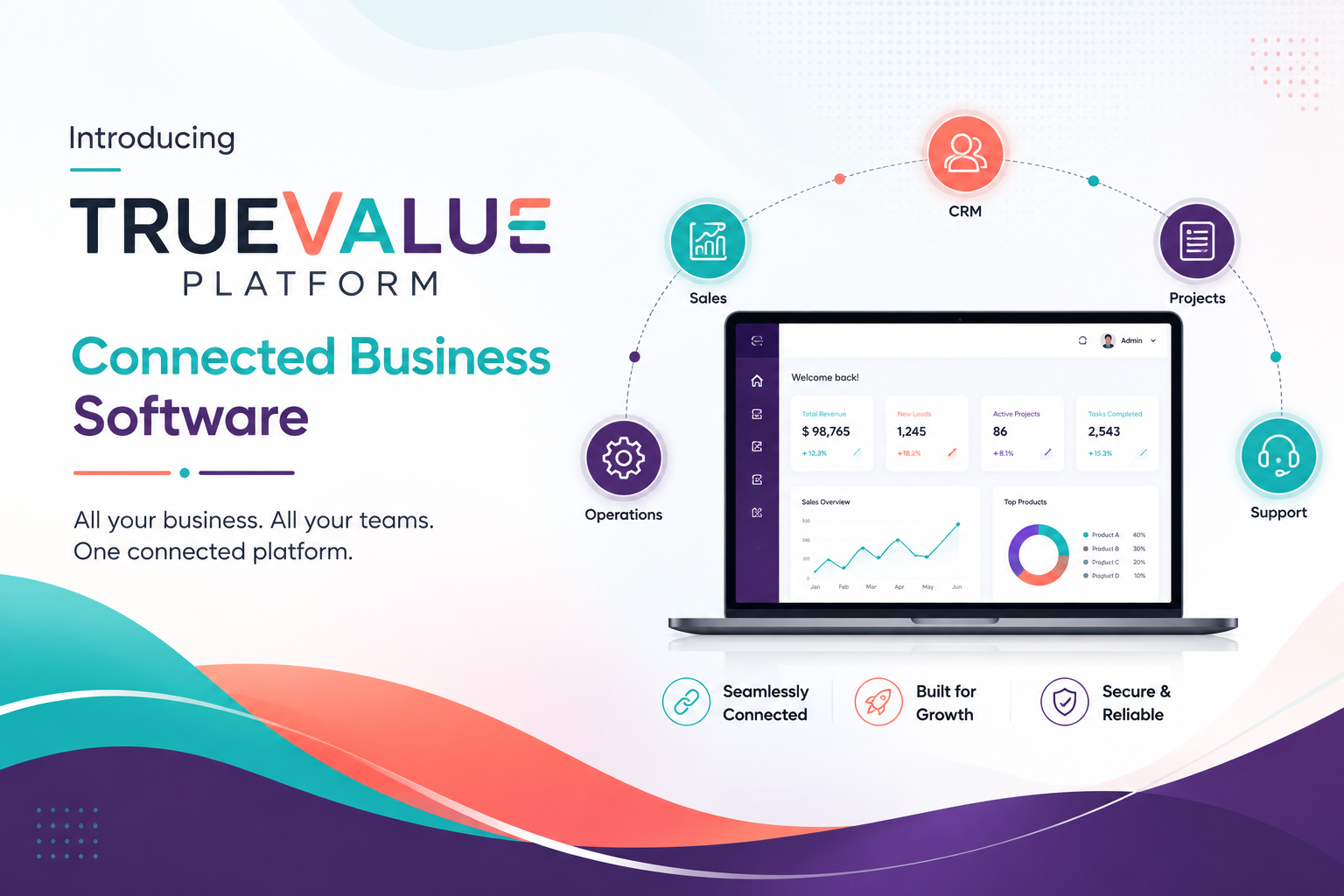
Empowering Your Business with TrueValue Platform: Connected Business Software
TrueValue Platform: Revolutionizing Business Operations with Connected Software